In most of the country the best time to power wash your house is decided by cold weather: you wait for late spring, when it stops freezing. Florida never freezes, so the question changes. Here the calendar is set by four things that land on a house on a schedule: the rainy season, oak pollen, lovebugs, and Saharan dust. Wash at the wrong point and you pay to clean a house that is dirty again in three weeks. This is the month-by-month version for Southwest Florida, written from what we see on roofs, walls, and pool cages across Lee and Collier County.
The short answer: two good windows
The best time to pressure wash a house in Florida is October to November, right after the rainy season ends, and late March to April, once the oak pollen has finished falling. The first window removes a whole summer of algae and mildew just before the dry season, when it grows back slowest — so the clean lasts longest. The second clears pollen, tree debris, and winter dust, and gets the gutters and drains ready before the rains return.
Up north the usual advice is spring and fall, and the same two seasons win here — for different reasons. Whether you call it pressure washing or power washing, any month works if the house needs it. Those two windows just give you the most clean months for the money, on the stucco and siding as well as on driveways, patios, and walkways.
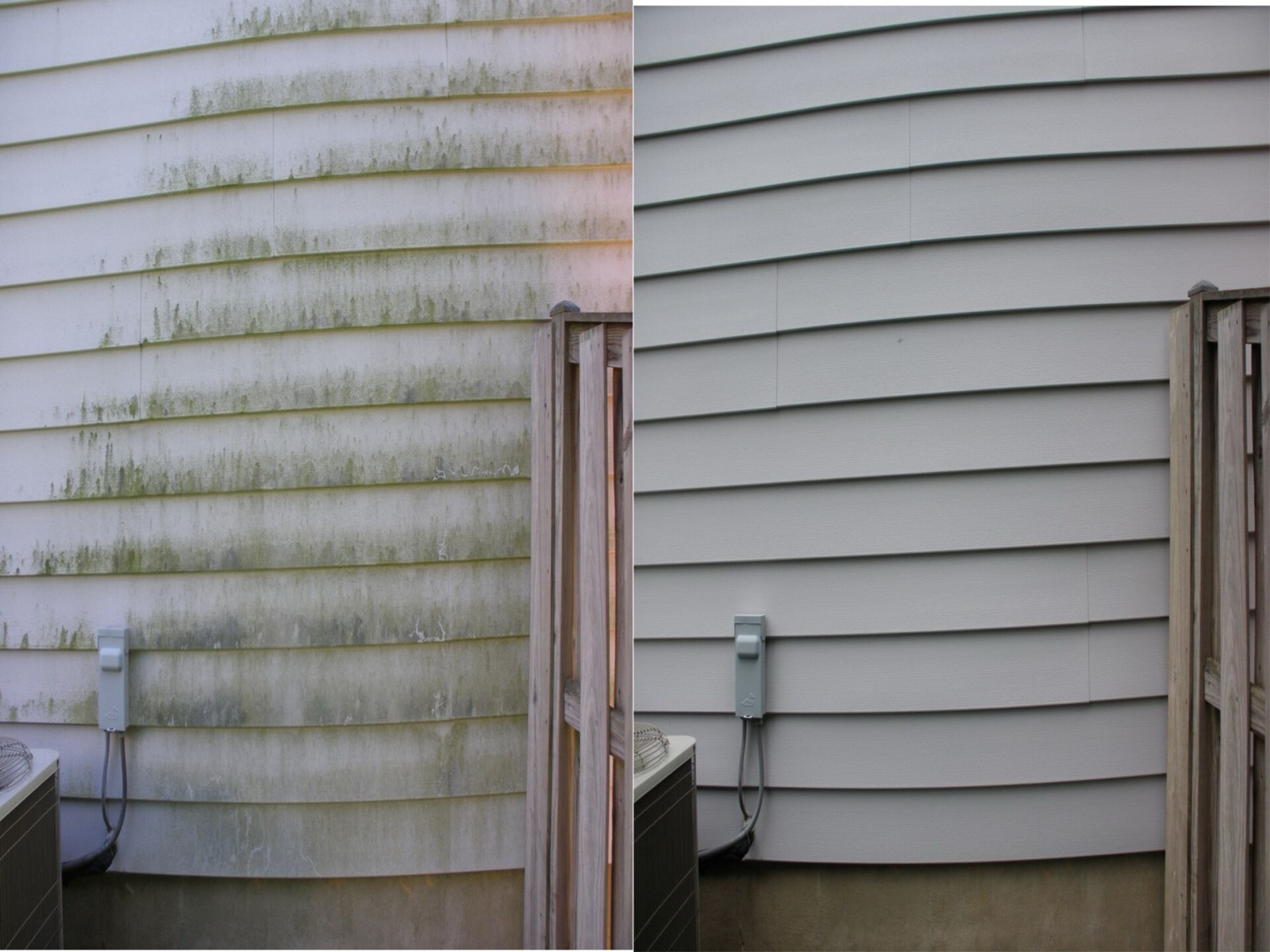
Timing is about more than looks. In this climate, mold and mildew left on painted stucco or vinyl siding hold moisture against the wall, and on wood trim, decks, and porches that eventually means rot. When you wash your house on the right schedule, the paint and the surfaces under it last longer.
The Southwest Florida exterior calendar at a glance
| When | What is landing on the house | What makes sense to do |
|---|---|---|
| January – mid February | Dry season. Little growth, but sprinklers run more: hard-water spots on windows and rust stains from well water. | Paver sealing, window cleaning, rust stain removal. Anything that needs dry weather. |
| Late February – early April | Oak pollen and the brown "tassels" that follow it. Yellow-green dust on everything. | Wait until the trees finish, then wash the house, screens, and windows and clear gutters and deck drains. |
| Late April – May | First lovebug flight. Last dry weeks before the rain. | Gutters and underground drains before the first storms. Roof cleaning. Last good weeks to seal pavers. |
| June – mid August | Rainy season, daily storms, Saharan dust. Algae grows fastest now. | Keep drains and gutters flowing. Spot cleaning. Morning appointments, before the afternoon storms. |
| Late August – September | Second lovebug flight. Peak of hurricane season. | Rinse lovebugs off walls and garage doors quickly. Check drainage before a storm, not after. |
| October – November | Rainy season ends. Everything that grew all summer is at its worst. | The main yearly reset: roof, house wash, pool cage, pool deck, driveway. A summer of grime and green comes off in one visit, and the curb appeal lasts through the season. |
| December | Dry, cool, guests arriving. | Windows, entryway, lanai — the things visitors see. |
When is rainy season in Florida — and why it decides everything
In Southwest Florida the rainy season runs from about May 15 to October 15, the dates the National Weather Service uses for this part of the state. Roughly two thirds of the year's rain falls in those five months, most of it in afternoon thunderstorms.
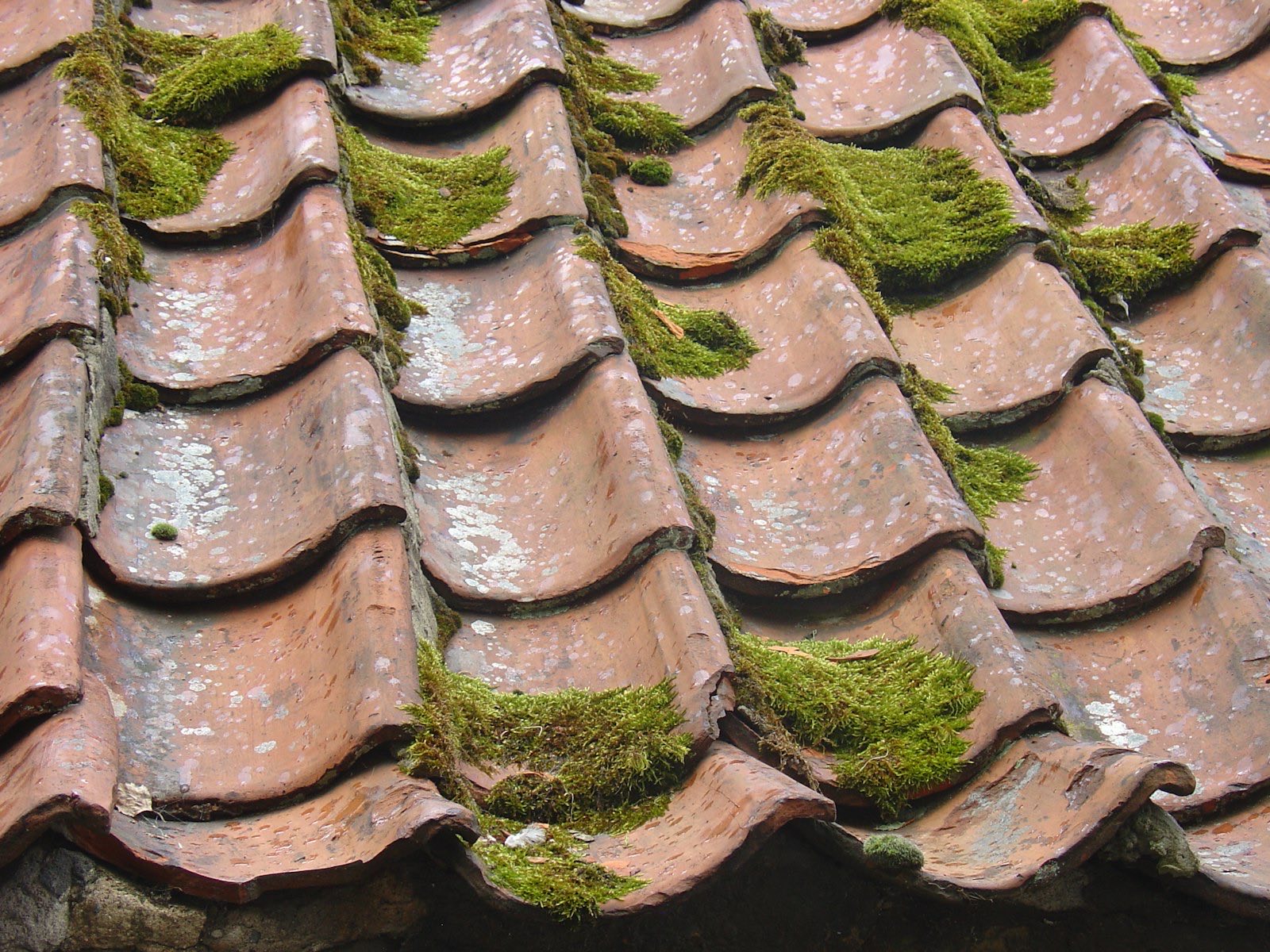
For the outside of a house, that is the growing season. Algae, mildew, and the black roof algae Gloeocapsa magma need moisture and warmth, and from June to September they get both every day. A north-facing wall that looked fine in May is green by September. That is why a wash in October outlasts a wash in June: the clean surface heads into six dry months instead of four wet ones.
It does not mean summer cleaning is pointless. A pool deck that has turned slippery is a safety problem in any month, and a clogged deck drain or underground downspout line does its damage during the rainy season, not after it. Summer work is simply scheduled in the morning, and roof treatments are not applied when rain is about to wash them off.
When is pollen season in Florida?
Tree pollen starts as early as December here, but the part that matters for a house is oak. Florida's oaks pollinate from roughly February to May, with the heaviest stretch in March and April, according to UF/IFAS.
The yellow pollen that coats cars and lanai furniture is only half of it. After the pollen comes the drop of spent catkins — the brown, stringy tassels that pile up in corners. Those are what fill gutters, mat on top of pool cage screens, and wash into deck drains with the first rain.
The practical rule: do not wash in the middle of the drop. Wait until the trees over your house have finished, then do the house wash, the pool cage and screens, the windows, and the gutters in one visit. Wet pollen is also a food source for mildew, so a house left coated through May goes into the rainy season with a head start on growth.
When is lovebug season in Florida?
Lovebugs have two flights a year in Florida: late April through May, and late August through September. Each one lasts about four weeks. They do not bite or sting, and UF/IFAS describes them as a harmless nuisance — but they are drawn to light-colored surfaces and to heat, so they collect on white garage doors, stucco walls, front entries, and anything freshly painted.
The reason to deal with them promptly is what they leave behind. The remains dry hard in the sun and become harder to remove with every day they sit, and on painted surfaces they can leave marks. A rinse with a garden hose within a day or two is usually enough for a wall or a garage door. If they have baked on, a low-pressure house wash takes them off without scrubbing the paint.
If you are planning a full house wash in spring, booking it for the end of May rather than the beginning means you clean up after the lovebugs instead of just before them.
When does Saharan dust reach Florida?
Dust from the Sahara crosses the Atlantic every summer and reaches Florida in waves, mostly from mid-June to mid-August. It is why some July skies look hazy and the sunsets turn orange.
On a house it shows up after a light rain: a thin tan film on windows, cars, outdoor furniture, and solar panels, where the raindrops carried the dust down and then evaporated. It rinses off easily and does no harm to walls or roofs. Glass and panels are the exception worth acting on — a dusty film on solar panels cuts their output during the sunniest weeks of the year, and on windows it combines with sprinkler overspray into spots that get harder to remove the longer they sit.
What needs the dry season, and what can be done any time
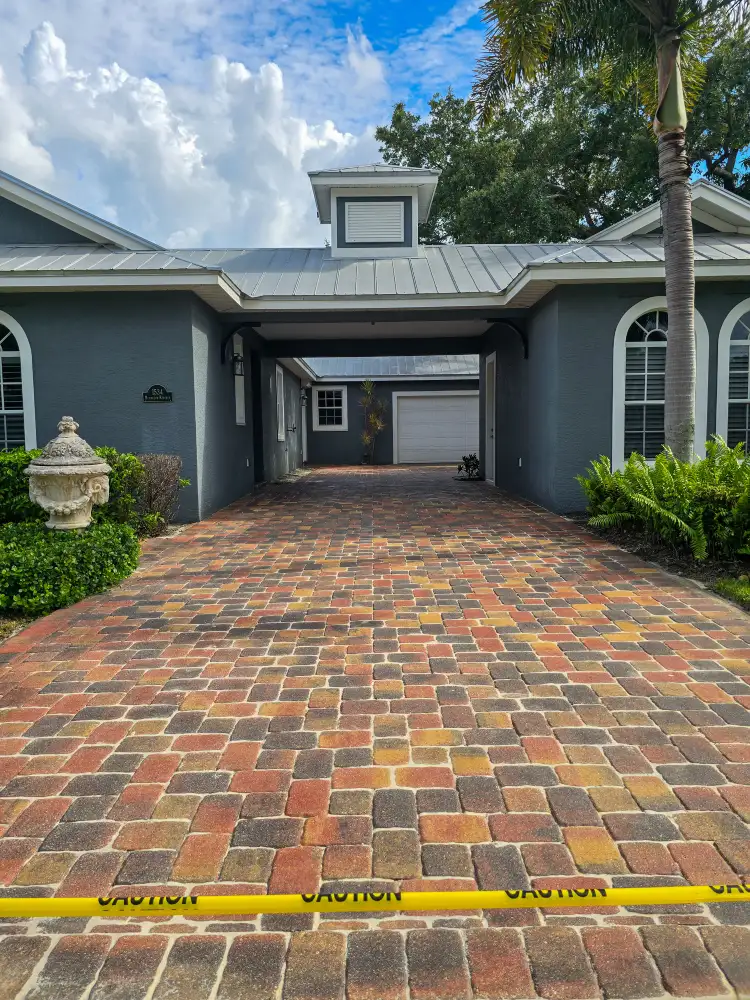
- Paver sealing needs dry weather. The pavers have to dry for 24 to 48 hours after cleaning before sealer goes down, and the sealer needs time to cure before it gets rained on. November through May is the reliable stretch; in summer it can be done, but the schedule is at the mercy of the forecast.
- Roof cleaning works year-round, but it is easiest to schedule in the dry months. A soft wash needs dwell time on the roof before rain arrives. Most roofs here need it every two to three years.
- House washing can be done in any month, with a soft wash rather than a pressure washer on painted walls. Most Southwest Florida homes need it every 12 to 18 months; shaded and north-facing walls sooner.
- Gutter cleaning is best done twice: in late April or May before the rains, and in October or November after them.
- Windows are worth doing after pollen season and again at the start of winter.
- Rust stains from well-water irrigation build up in the dry season, when the sprinklers run most. Removing them before they have had a year to set is easier on the surface.
If you are only here for the winter
Seasonal residents get the same two windows, moved to the ends of their stay. November is the reset after a summer of nobody watching — our exterior checklist for opening the house walks through it in twenty minutes. Late April is the protective visit: gutters and drains cleared before the rain, roof and walls cleaned so growth starts from zero while the house sits empty.
Quick answers
Is it bad to pressure wash a house in summer in Florida?
No. The work is the same and the result is the same; it just will not last as long, because the house goes straight back into daily rain and humidity. If a surface is slippery, an HOA notice has a deadline, or the house is going on the market, do not wait for October.
How many times a year should you pressure wash your house in Florida?
Once a year covers most homes, and twice a year for the surfaces that grow back fastest. In detail: walls every 12 to 18 months, the roof every two to three years, pool decks and lanai floors once or twice a year, and a pool cage once a year. Homes under trees, on the water, or with a lot of shade are on the shorter end of each.
When should you not power wash your house?
Three cases. In the middle of the oak pollen drop, because the house is coated again within days. When rain is an hour away and the job includes a roof or wall treatment that needs time to work. And on any surface where pressure is the wrong tool in the first place: painted stucco, older siding, screens, and roofs are cleaned with a soft wash, because too much pressure strips paint, forces water behind the wall, and leaves streaks.
Should the roof or the house be cleaned first?
The roof, always. What comes off it runs down the walls, the windows, and the deck. The order is roof, then walls, then windows and gutters, then the pool deck and driveway — which is why doing them in one visit costs less than doing them one at a time.